Roofing and Roof Repairs: Expert Guide
By
Bennett
Date
January 20, 2026
Read Time
5 min read
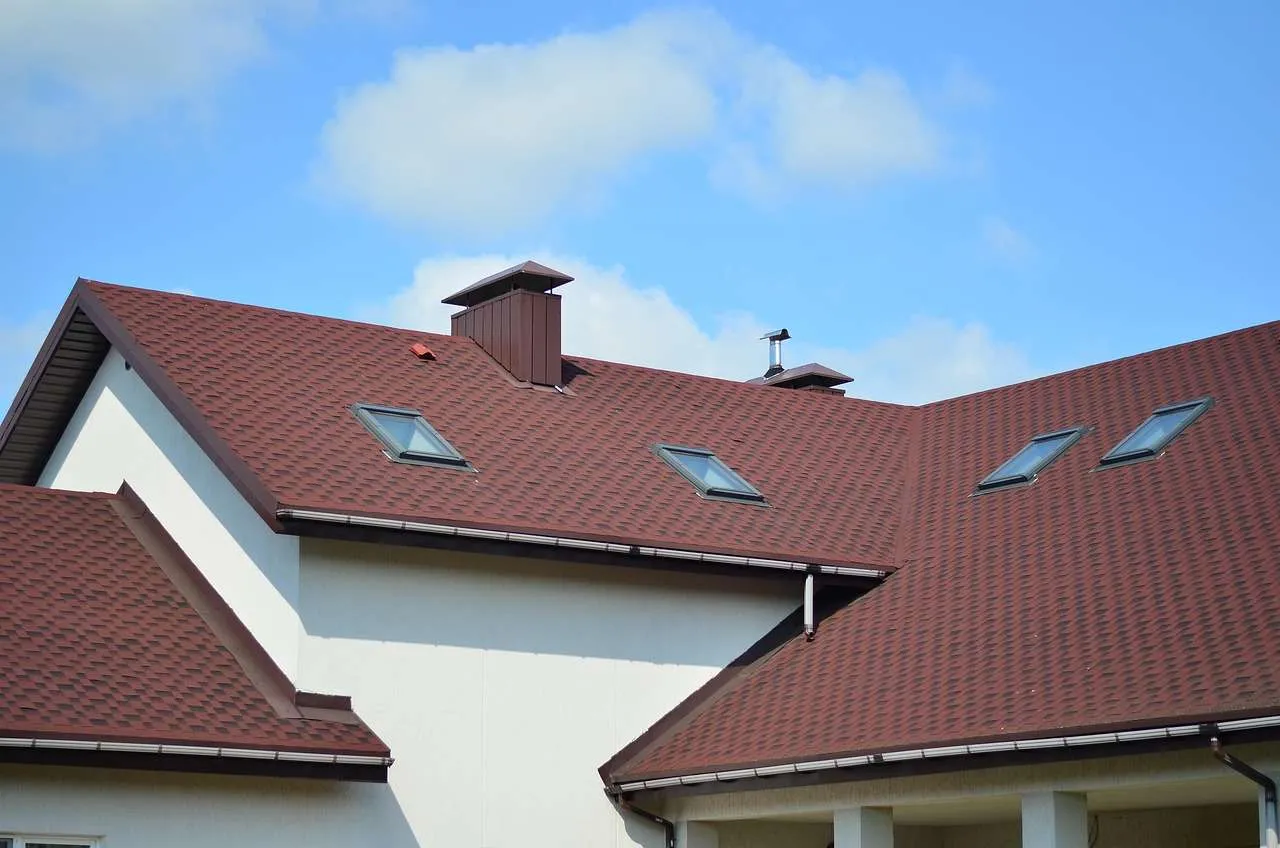
Roofing and roof repairs are essential topics for homeowners who want to protect their investment, maintain energy efficiency, and preserve curb appeal. This guide blends practical guidance with trusted advice, helping you assess damage, understand repair options, and choose a qualified professional. By focusing on expertise, trustworthy contractors, and transparent processes, you can manage roofing projects with confidence and minimize risk.
Understanding roofing and roof repairs
Roofing refers to the system of materials and components that form the exterior cover of a building, including shingles, underlayment, flashing, and ventilation. Roof repairs involve identifying and fixing issues that compromise protection, leaks, or structural integrity. Not all problems require a full replacement; often targeted repairs extend service life and save costs when addressed promptly by a licensed professional.
Signs your roof needs repairs
Early detection saves time and money. Look for:
- Missing or curling shingles and granule loss in gutters
- Visible leaks, staining on ceilings, or damp attic spaces
- Damaged flashing around chimneys, vents, or skylights
- Sagging sections or excessive wind damage after storms
- Mold, mildew, or musty odors in the attic
If you notice these indicators, consult a professional roofer for a thorough inspection. A trained eye can determine whether a repair is sufficient or if a more extensive intervention is needed.
Common roof repair techniques
Qualified roofers tailor repairs to your roof type and damage. Typical approaches include:
- Shingle replacement for damaged or missing shingles
- Leak patches on the roof deck and underlayment repairs to stop moisture intrusion
- Flashing repair or replacement to seal joints around chimneys, vents, and edges
- Ventilation corrections to prevent heat and moisture buildup
- Sealant and coating improvements to extend life and improve water resistance
Professional crews use industry best practices, take safety precautions, and apply warranty-backed solutions to ensure durability and peace of mind.
Choosing a roofing contractor
Expertise, trust, and reliability matter. Use these guidelines when selecting a roofer:
- Verify licensing and insurance, including workers’ compensation and liability coverage
- Request written estimates with a detailed scope of work and materials
- Check references and review recent projects similar to yours
- Ask about warranties on workmanship and materials
- Assess communication, timeline, and response after inspections
A reputable contractor will perform a thorough inspection, provide transparent pricing, and stand behind their work with a clear warranty. Avoid unusually low bids, which can indicate hidden costs or poor materials.
DIY vs professional service
While small cosmetic fixes might seem doable, most roofing repairs require specialized safety gear and knowledge. DIY attempts can void manufacturer warranties and create hazards. For complex issues—especially leaks that involve attic ventilation, decking, or structural components—hire a licensed professional who adheres to local building codes and safety standards.
Cost considerations and timeline
Repair costs depend on the extent of damage, roof size, materials, and labor rates in your area. Minor shingle patches can be affordable, while flashing replacement or repairing extensive damage near the eaves or ridge line may cost more. A professional inspection provides a precise estimate and a realistic timeline, which helps you plan around weather windows and avoid repeated visits.
Keep in mind that delaying repairs can lead to higher costs later, especially if moisture intrusion leads to rot or mold. Regular maintenance, such as clearing debris, inspecting after storms, and addressing small issues promptly, helps preserve roof life and energy efficiency.
Maintenance tips to extend roof life
Proactive care reduces the likelihood of major repairs. Consider these practices:
- Clean gutters and downspouts to prevent water backup
- Trim branches that overhang the roof to minimize impact and debris
- Inspect seals around vents, chimneys, and skylights annually
- Address moss or algae growth with appropriate cleaners and proper drainage
- Schedule routine professional inspections every 3–5 years, or after severe weather
A well-maintained roof performs better, saves energy, and protects your property for decades.
Comparison of common repair options
| Repair Type | Typical Scope | Notes |
|---|---|---|
| Shingle replacement | Replace damaged or missing shingles | Fast fix for localized damage; may be needed after storms |
| Leak patch | Seal small leaks on underlayment or decking | Temporary or long-term depending on condition; may require follow-up |
| Flashing repair | Replace or reseal metal flashing at joints | Crucial for water intrusion points; often resolves leaks around chimneys |
| Vent/roof penetrations | Repair or reseal vents and penetrations | Prevents moisture and wildlife intrusion |
| Full roof replacement | New underlayment, shingles, and flashing | Consider when repairs are extensive or roof age is near end of life |
Conclusion and next steps
With the right approach, roofing and roof repairs protect your home, preserve value, and deliver long-term cost savings. Prioritize professional evaluation, insist on clear warranties, and maintain your roof through regular upkeep. A transparent process with qualified, insured contractors minimizes risk and ensures a durable, weather-tight result.
Summary: Roofing and roof repairs require timely assessment, trusted professionals, and clear communication. Start with a licensed roofer, request a detailed estimate, and select repair options based on durability and warranty coverage. Regular maintenance and prompt attention to signs of damage extend roof life and protect your home investment.
Related Articles

Repair of Roofing: Expert Guide
Read More >